Being among the oldest independent nations in the world, Ethiopia possesses distinctive cultural, political, and social traditions. It is situated in Eastern Africa and has more than 120 million populations consisting of various ethnic groups, religions, and languages. The country has had significant economic development in recent years, fueled by advances in the agricultural sector, construction, and technological innovation. Unfortunately, there have been conflicts in the country, including political tensions, civil war, poverty, and democratic freedoms. All of these have an impact on Ethiopia’s communication system.
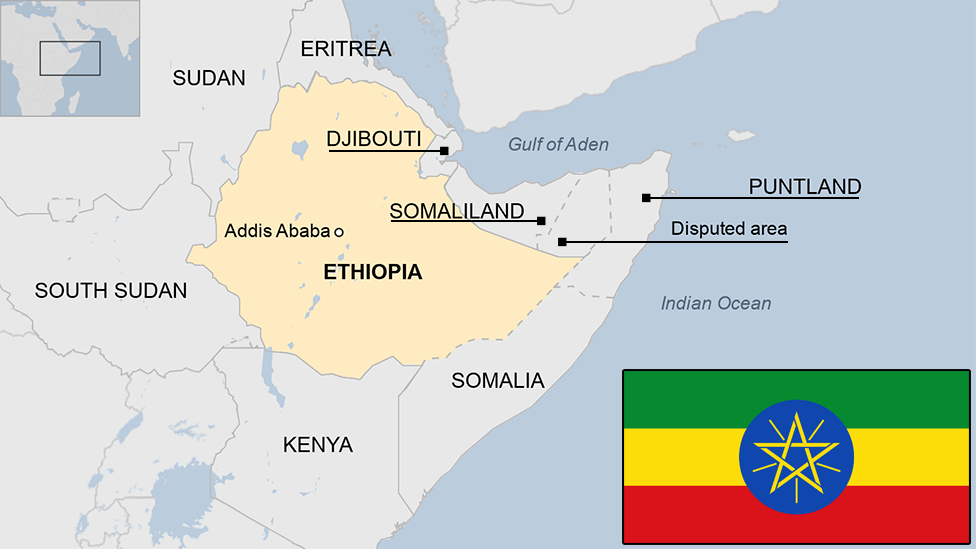
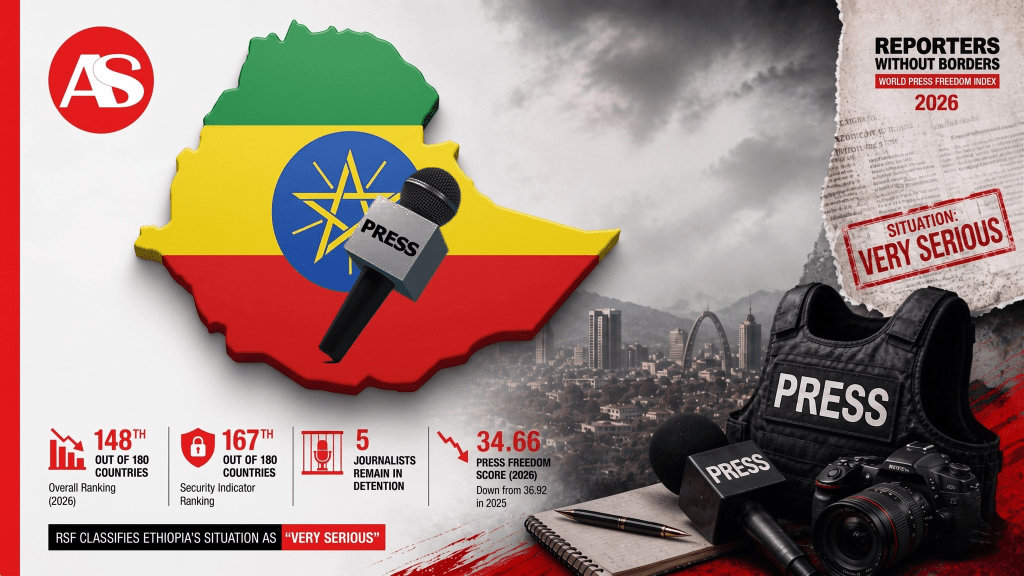
The media environment in Ethiopia has more governmental control and less protection than that in the United States. While the media in the United States has freedom of speech and press guaranteed by the First Amendment of the US Constitution, giving the journalists the right to criticize the government, in Ethiopia there have been episodes of censorship, internet restrictions, and oppression of journalists. With the help of comparison of the media environment in Ethiopia and the United States, one can better understand the effects of political and legal environment on the flow of information and civil liberties.
Ethiopia’s media system and Authoritarian theory
One theory that best fits the media structure in Ethiopia is the authoritarian theory. As stated in Chapter 15, authoritarianism is the theory that governments control media to make sure political stability and cohesion within the country. Under this structure, journalists are supposed to back the government and not challenge it.
This theory is exemplified in Ethiopia by the following facts. On occasions when journalists have written about political protests or corruption in the government, they may face censorship or even arrest. When there are conflicts in Ethiopia, the internet and other forms of social media are restricted by the government.
In comparison , the USA largely adheres to the libertarianism and social responsibility models for the media. American reporters are shielded by the First Amendment and can often freely criticize politicians without facing any repercussions.
Television, Radio and Internet freedom
The press of Ethiopia is composed of newspapers and periodicals which are available in Amharic and English languages. The independent newspapers face financial difficulties and have low distribution rates beyond urban areas. The radio medium is still among the most significant mediums of communication in the country due to the poor accessibility of internet in rural parts.
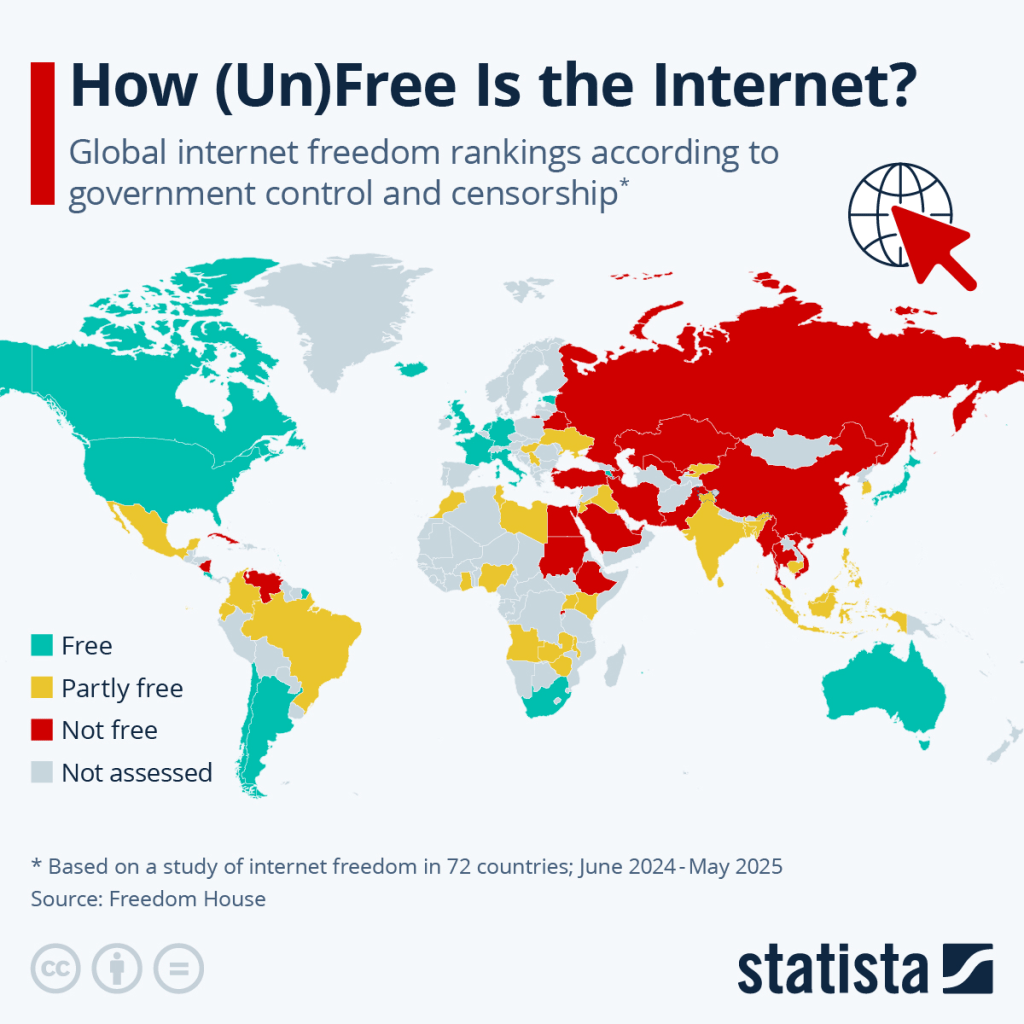
Ethiopian movies have gained popularity among the youth audience, but movie producers can shy away from issues that are politically sensitive for fear of censorship. The freedom of the internet is one other notable difference between the two countries. There have been cases where Ethiopia has shut down the internet when there have been protests and wars.
United States
- Independent Journalism
- strong First amendment protection
- Open internet access
Ethiopia
- There are more government regulations
- Interent gets to shutdown when there is conflict
- State influence on radio and television
Media ownership
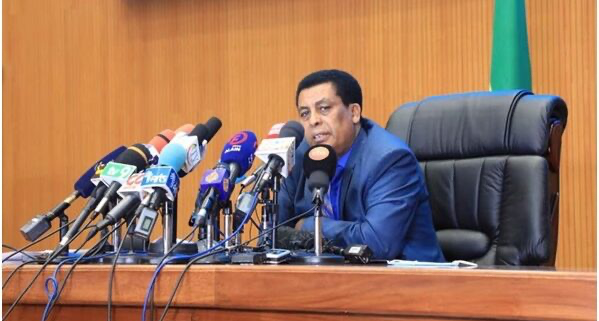
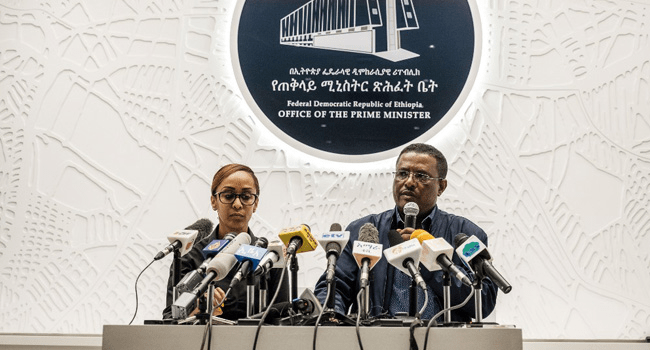
Ethiopia and the US also exhibit significant differences in media ownership. The Ethiopian government used to control most of the television and radio facilities in the nation. Even though there have been several private media firms in the last decade, the government still holds considerable sway in terms of news management. According to the Ethiopian authorities, the regulation of media ensures national harmony and security in a society with multiple ethnic and political groups.
In the United States, the ownership of the media is predominantly by corporate institutions, including The Walt Disney Company, Comcast, and Warner Bros. Discovery. The presence of multiple owners of media channels ensures greater diversity of opinions and entertainment options, although it raises issues related to media monopoly and its impact on democracy. Critics argue that a few companies owning several media corporations prioritize profits over journalistic accuracy.
Another distinguishing feature regarding media regulation comes from the different laws in place. In America, the First Amendment protects free speech very well. American people have the right to criticize their politicians, demonstrate, and say everything that is on their minds without fearing government intervention. The same applies to Ethiopia; however, due to the country’s political volatility at times, its citizens do not have the same level of freedom of expression as Americans do.
Conclusion
Overall, the media systems in Ethiopia and the US are characterized by the two totally opposite philosophies regarding communication, the control of media by the government, and the rights of people to express themselves freely. Ethiopia’s media system is more consistent with the theory of authoritarianism, as it implies some control over journalists and broadcasting companies. In contrast, the US media system provides many more possibilities for independent media and freedom of criticism of politicians.
Both of the systems have their advantages and disadvantages. The media system in Ethiopia may help in maintaining social stability in times of crisis in the country; however, it might result in lack of openness and freedom of speech. On the contrary, the US media system allows citizens to freely criticize their representatives and politicians, but it still faces problems associated with concentration of media in hands of corporations.


Leave a comment