Over the past few months, the war between Hamas and Gaze in Israel has been one of the most visualized news in the world. ever since the war started, photographers and journalists has been documenting military action, displacement , destructions, and the living status of the civilian during the war. Due to its huge impact and the criss.
I decided on this topic as it gives me the chance to demonstrate the impact/importance of Visual Journalism. Written reports can give data/statistics, and political debates but photography is able to show the humanitarian side of an event (Conflict). Stuart Hall (Media Scholar) explains that images in the media assist in influencing the way people perceive events because they frame reality through visuals. For example, photographs of War create an emotional response from people who are far from the conflict. This Photo Essay will utilize various types of images; (Scene Setters, Medium, Portraits, Detail Shots, Action Shots) to show how Photojournalism gives a visual account of the War
Cities Destruction
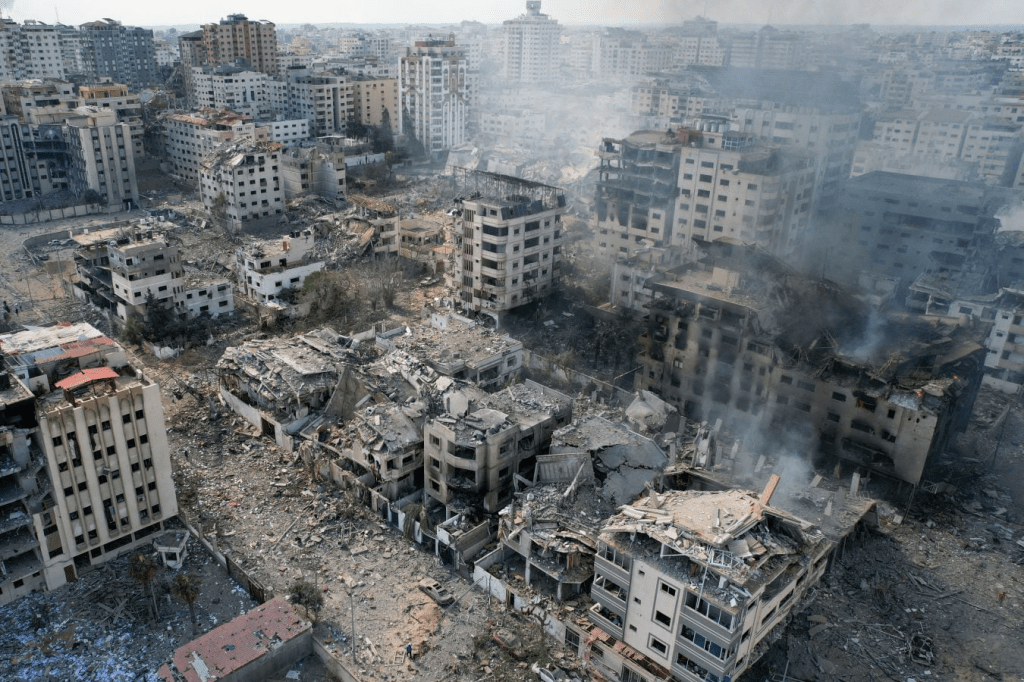
The purpose of this landscape image is to give context and scale to the conflict before the viewer begins to learn about all the individual stories. The large section of the photo shows complete neighborhoods wiped out, visually showing that this war has created destruction among the entire community, not isolated points of impact. Based on the high or distance perspective of the photographer for the photo, it is possible to capture much more of the destruction overall. What is not shown in the photo is the civilians who lived and worked in these buildings. The fact that these individuals are not shown in this photograph makes the impact of the conflict apparent without needing to depict individual suffering. The viewpoint is successful in that it gives the viewer a perspective of the destruction from a distance, allowing the viewer to take in the amount of destruction before seeing other more personal photos
Civilians during the war
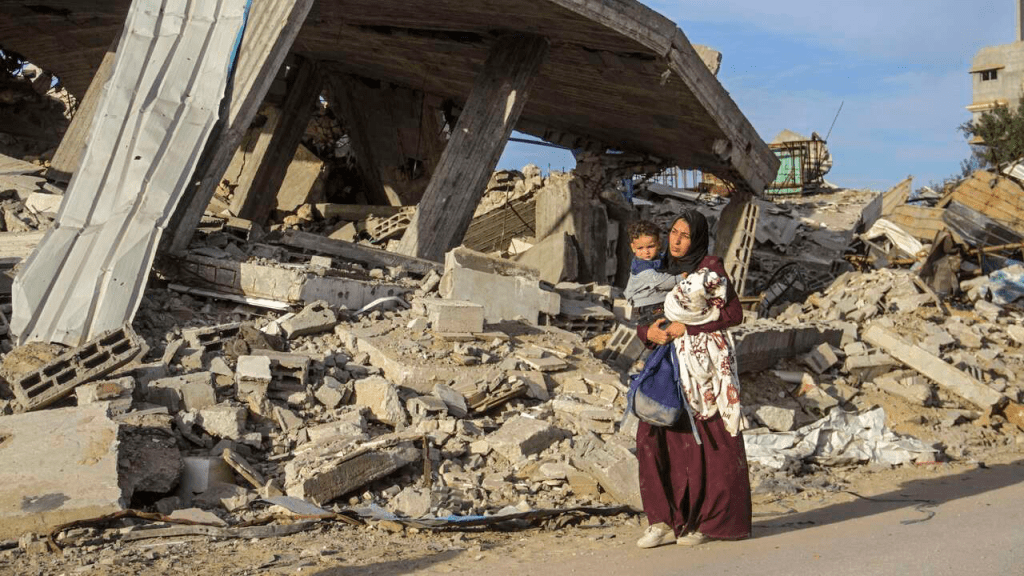
Through this medium shot, you feel more connected to the human side of the war than the wide establishing shot because it depicts people traveling through the ruins. The way the subjects are framed against the ruined environment creates a clear connection between them and their destroyed surroundings, visually communicating how civilians are forced to continue their lives amidst all the devastation. What is missing from the photo is the direction these people are heading or what they have lost. This lack of information contributes to the emotional impact of the photograph and allows the viewer to consider the events leading up to the moment captured in the photograph. The overall composition of the photograph, which places the people within the ruins, contributes to telling the story of how the conflict influences civilian existence.
The Human face of the war
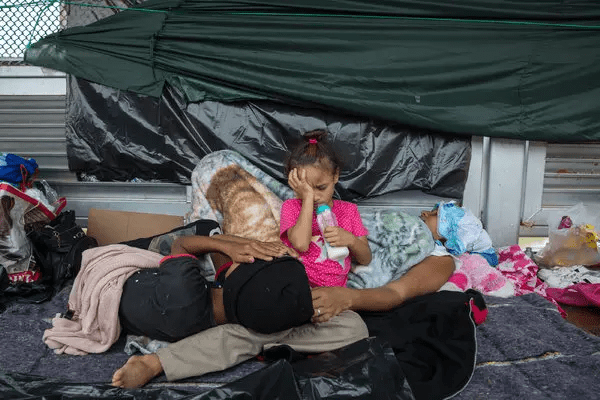
When it comes to a photo narrative, portrait images are typically the most powerful emotional images. By concentrating on an individual, the photographer creates a strong connection between the viewer and the subject through intimacy. According to media scholar Susan Sontag in “Regarding the Pain of Others,” portraits of people in pain make larger than life missing problems seem personal and immediate.
This image adds to the narrative by showing the viewer human emotion rather than focusing on the destruction of things, such as buildings. The subject’s facial expression shows he/she is exhausted, unsure of what to do next. However, the photo does not give the viewer the context surrounding the subject of the photograph; therefore, the viewer only has a general idea of what is happening, which can create an emotional response from the viewer but also cause the viewer to question how much of the context they need to have a complete understanding of the situation.
Objects That Tell a Story
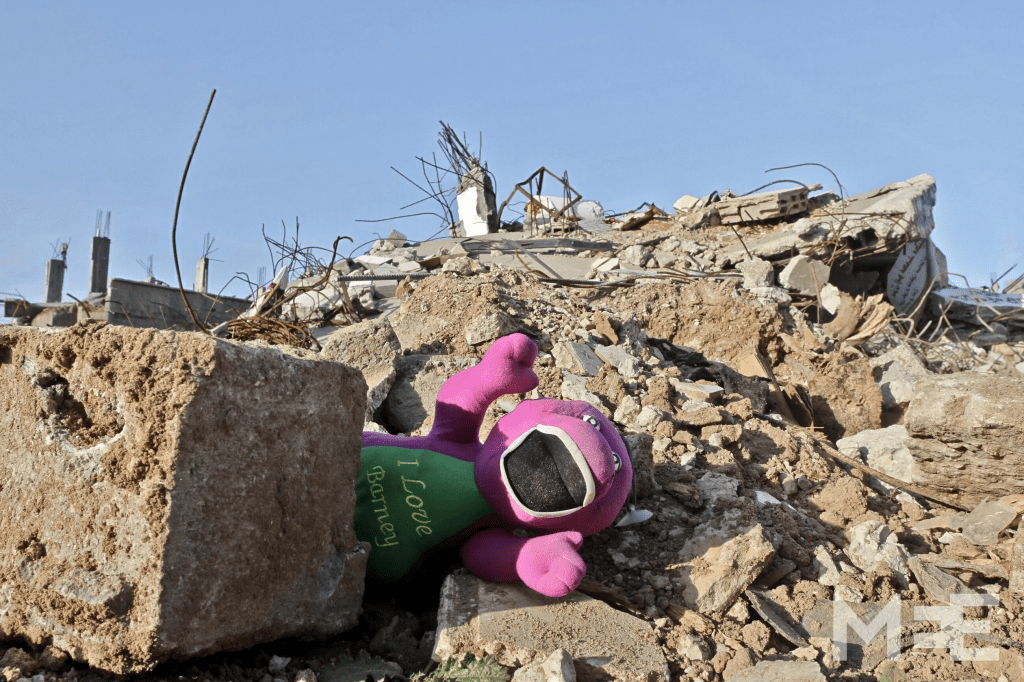
Using detail shots, you can show small items that can stand for much bigger events. Instead of displaying a wide shot of some destruction, you can instead use just one item (toys, books, personal toys), or items to represent how life was normal before being destroyed by war. The item(s) you choose will help illustrate that there was a home/family there before and that the location has been destroyed.
The thing you do not see in this photo is the people associated with that item. Removing the people from the image may allow for a stronger image because it implies that something was lost without showing us loss. By using tight framing of the item, it will concentrate your eye on the symbolic meaning of that item and will help create visual evidence of the story.
Rescue and Urgency
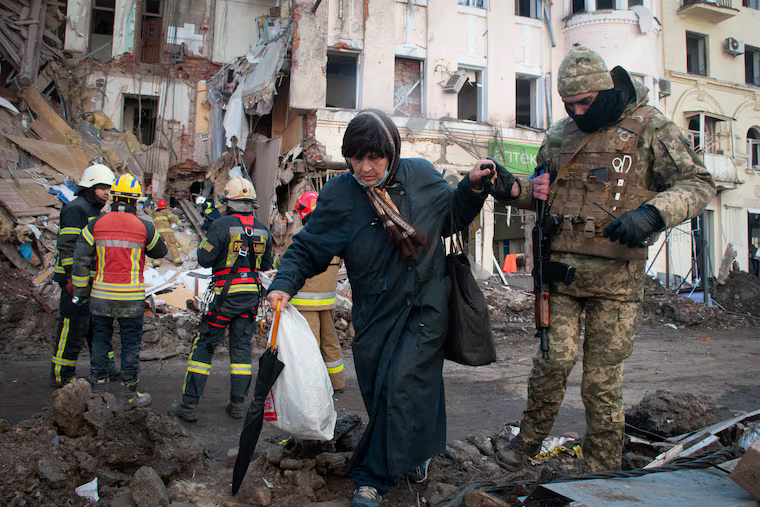
Action photos offer glimpses of movement and urgency through pictures taken at moments that are moving and/or urgent. This picture shows rescue workers looking for victims in the debris after an airstrike. The disorganized surroundings and movement within this photo create an element of tension which draws attention to the threat to civilians and the responding agencies.
What we do not see in this photograph is what will take place before and after the photograph was taken. Photojournalism provides photographers with a way of freezing time into a single moment. This allows the viewer to develop their understanding of the larger picture through the use of the framing and setting, allowing viewers to see this as an ongoing crisis instead of something that has already occurred.
conclusion
This photo essay’s image placement guides the viewer through the story visually. At first, a scene-setting image conveys the magnitude of destruction. Next, a medium shot brings the viewer closer to the affected civilians. Then, a portrait image changes from an overview of the scene to show how one person has been affected; this is followed by a detail shot that represents an individual personal loss. Finally, the action shot shows how there is an ongoing urgency for the rescuers to save those who are being harmed. In other words, the arrangement illustrates the progression of the narrative from environmental content to emotional content to action.
If the images were arranged differently, the story would seem less cohesive and structured. If, for example, the initial image was a close-up portrait instead of a scene-setting image, this would likely cause confusion because there would not be enough environmental context given. The arrangement guides the audience towards an increasing understanding of both the magnitude of the impact on a human basis and the size of the conflict.
Visual reporting raises ethical questions. Images of war may exploit the victims and may represent events out of context. Susan Sontag has postulated that by seeing images repeatedly, an audience becomes desensitized to the emotions of seeing human suffering. Therefore, journalists must consider how photographs are presented or framed.
Nevertheless, visual journalism is incredibly potent in the modern-day media landscape. Social media connections, rapid dissemination of information, and the development of technology continue to enhance the ability to create impressions regarding things before published written analyses. Additionally, visual journalism is likely to continue to grow in importance and play a decisive role in the development of new forms of storytelling or journalism via images, video, and/or other interactive media that can be used to tell complex global issues.
 Site Title
Leave a comment